
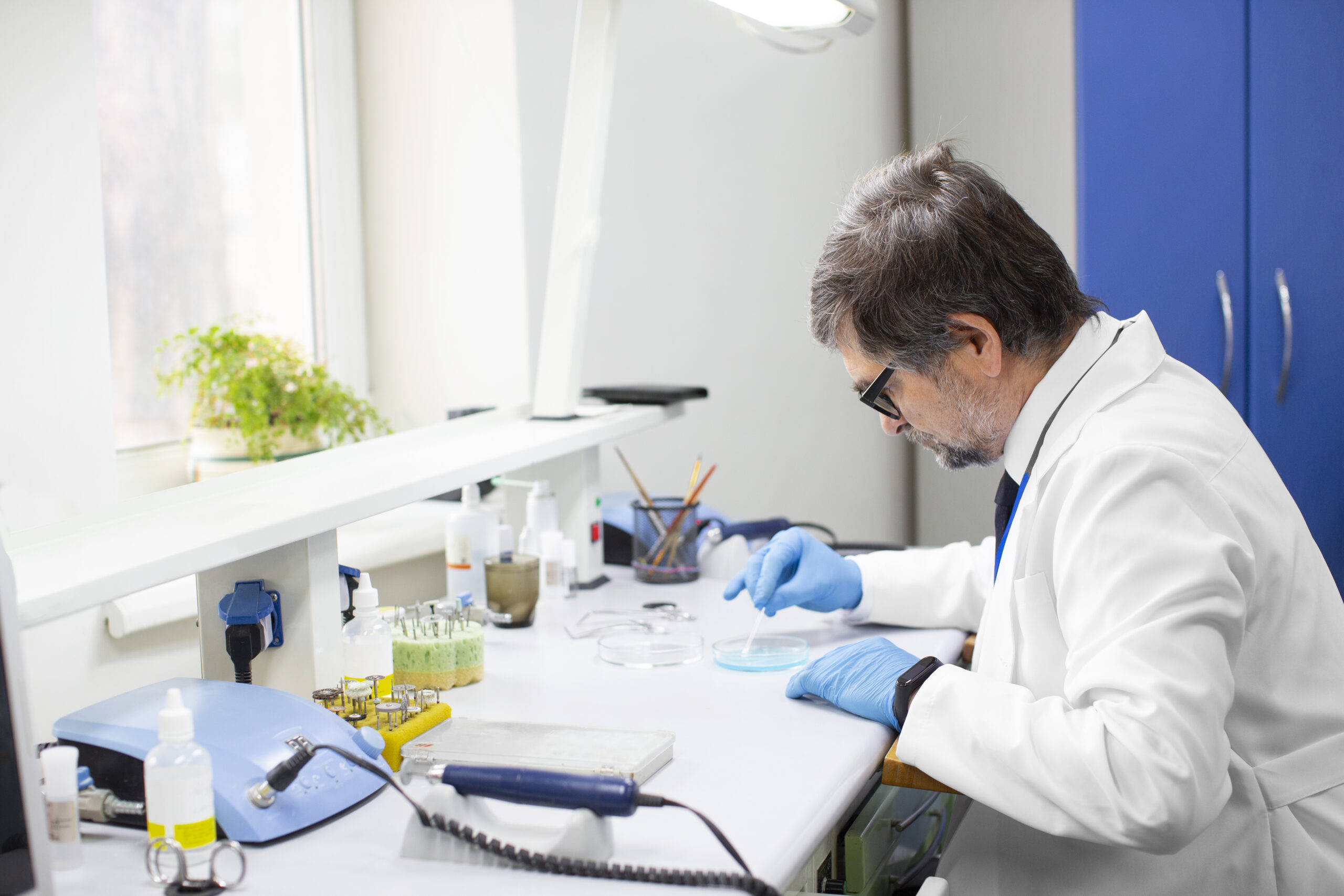
Microbial cultures gain a lot of importance in research, biotechnology, medicine, and environmental science. They offer very important information on how microorganisms work and relate to the surrounding environment. Good conditions are maintained for quality and vitality to be retained for a longer period. They are used for varied purposes, from production to research and reference. This means that with the loss of a culture there goes the loss of an important source of data, making it impossible to replicate studies. Proper preservation ensures continuity in research and that long-term studies will still be feasible whereby unique and irreplaceable strains will not be lost through the process of accidental loss. Proper preservation of such microbial cultures ensures research continuity and permits long-term studies while the uniqueness of the strains in question is not lost through accidents.
There are several ways by which microbes can be kept alive for years. They range from the use of mineral oil to provide anaerobic conditions, the use of agar slants and stab for short-term storage, cryopreservation in ultra-low temperatures, and lyophilization, which freeze-dries for easy storage. Dried soil storage techniques lead to dormantness in the spore-forming microbes, while glycerol leads to the protection of the organism during freezing. These key microbial resources safeguarded for further innovations and research works, will include aseptic procedures for all works, checking the cultures regularly proper labeling, and secure storage.